उजाड़ (Ujaad) is an exhibition that reflects on displacement as both a physical and cultural condition, tracing the layered transformations brought about by urbanization and industrialization. Through the works of Deepakk and Yogesh Kumar, the exhibition examines how progress often leaves behind altered landscapes, disrupted ecologies, and fractured inherited traditions. Together, Deepakk and Yogesh reveal parallel narratives of loss and adaptation. While one traces the displacement of land and ecology, the other maps the erosion of craft and community. Ujaad becomes a space of reflection, asking what remains when progress reshapes both landscapes and lives.
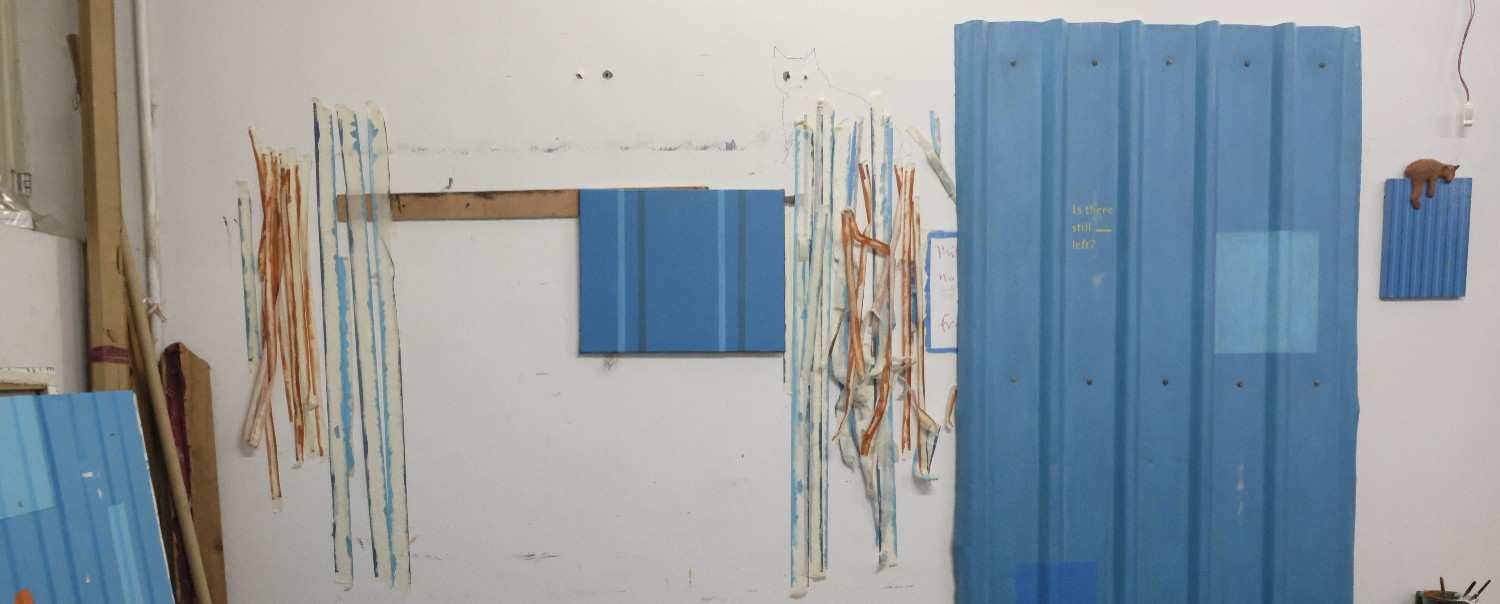
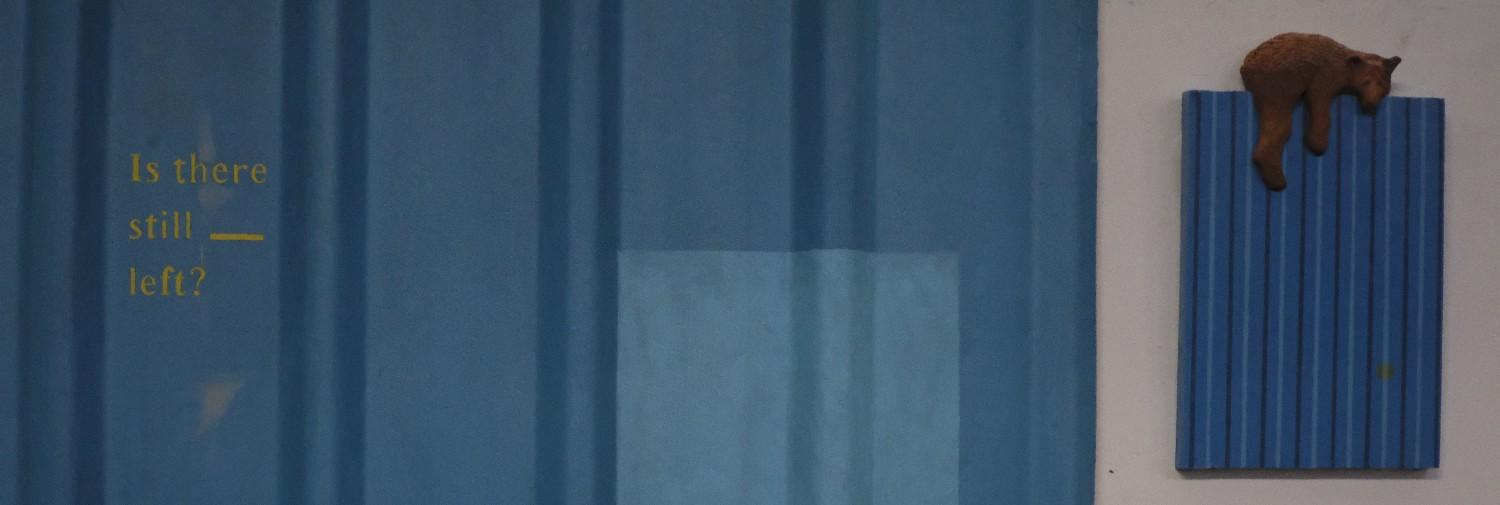
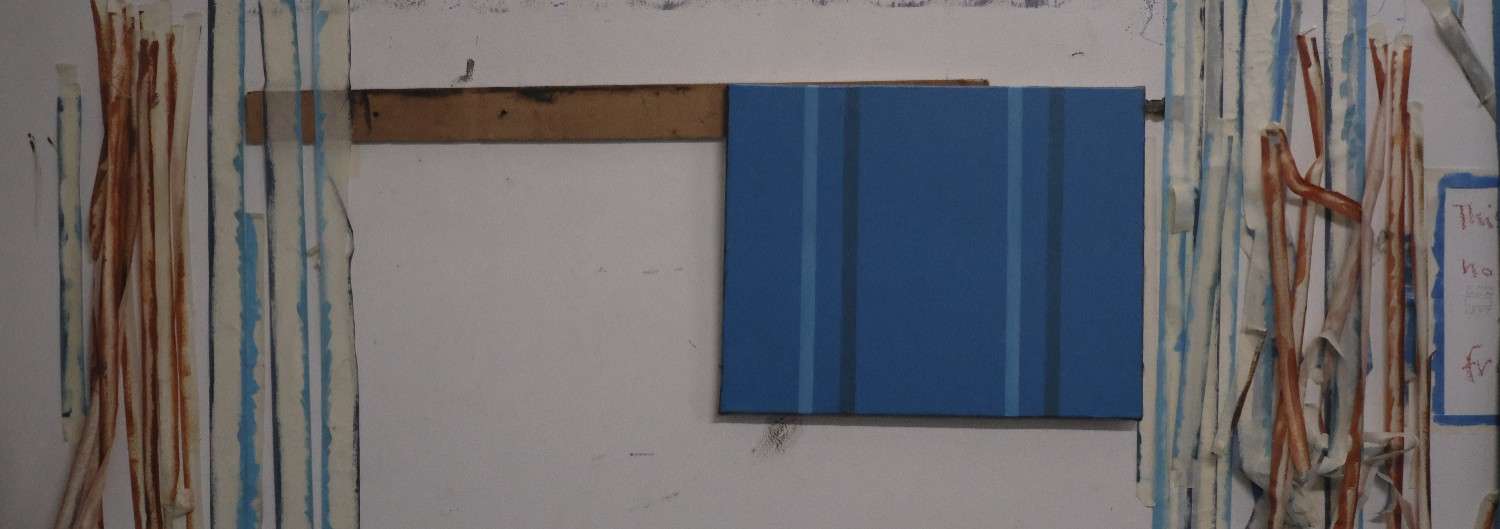
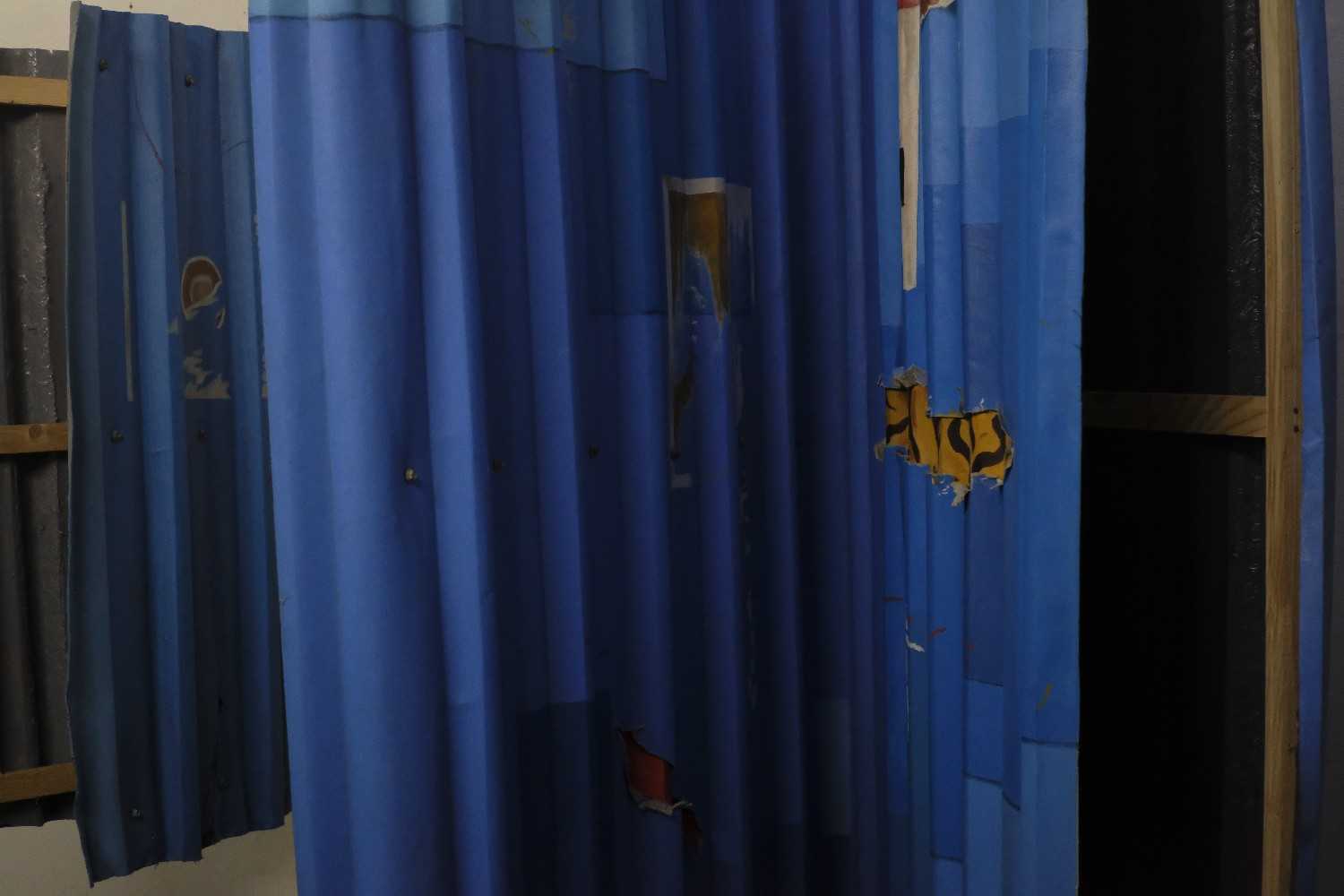
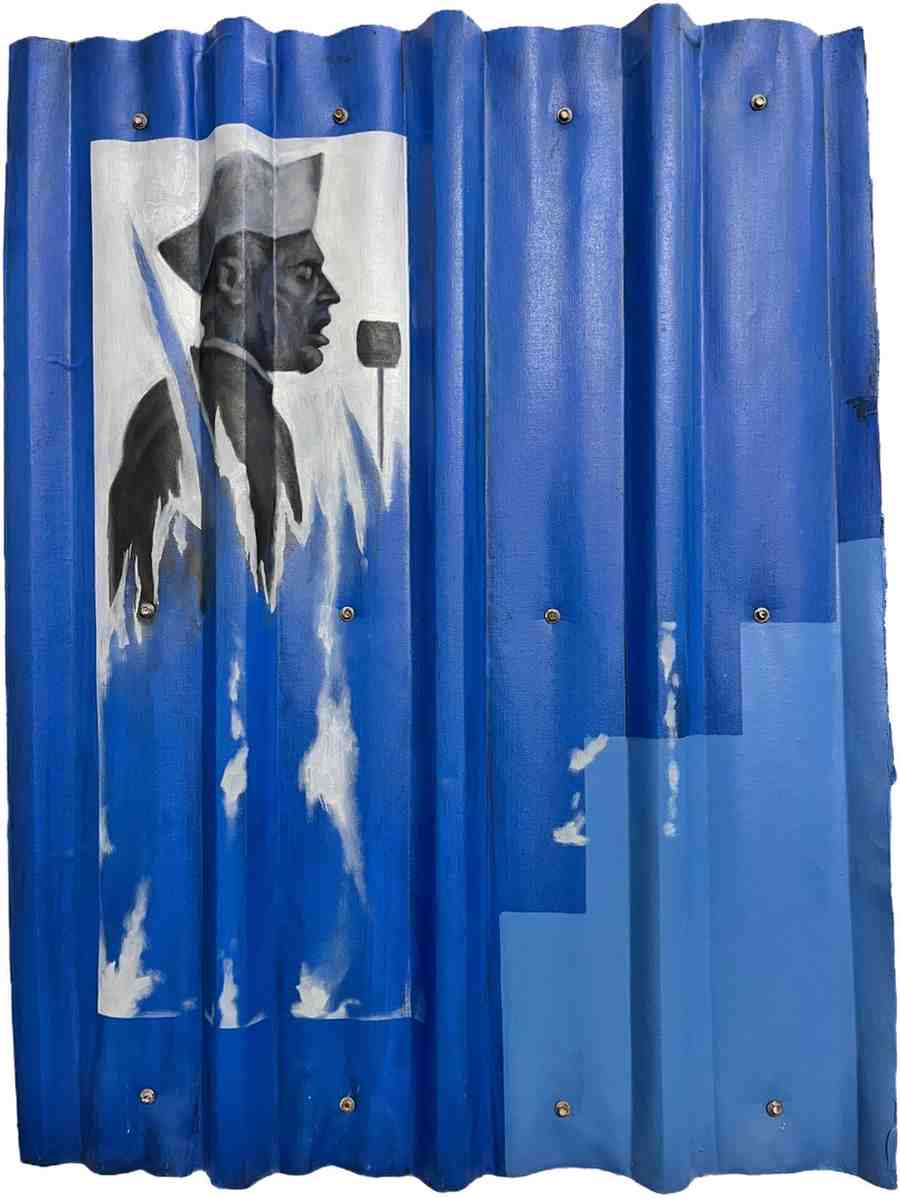
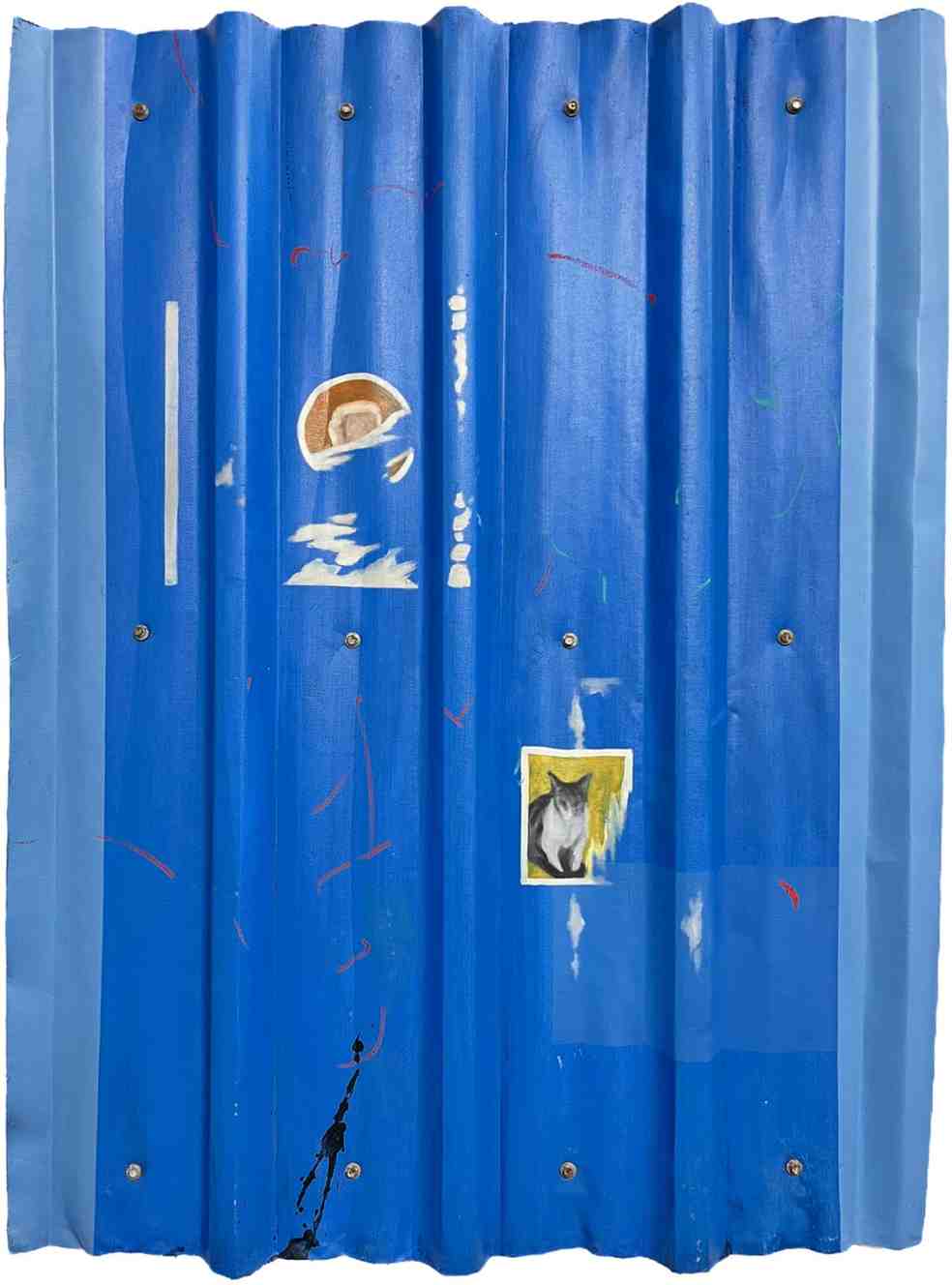
Protest and Protection I & II, Acrylic, oil pastel, oil and screw on canvas, 36 x 24 in (each), 2026
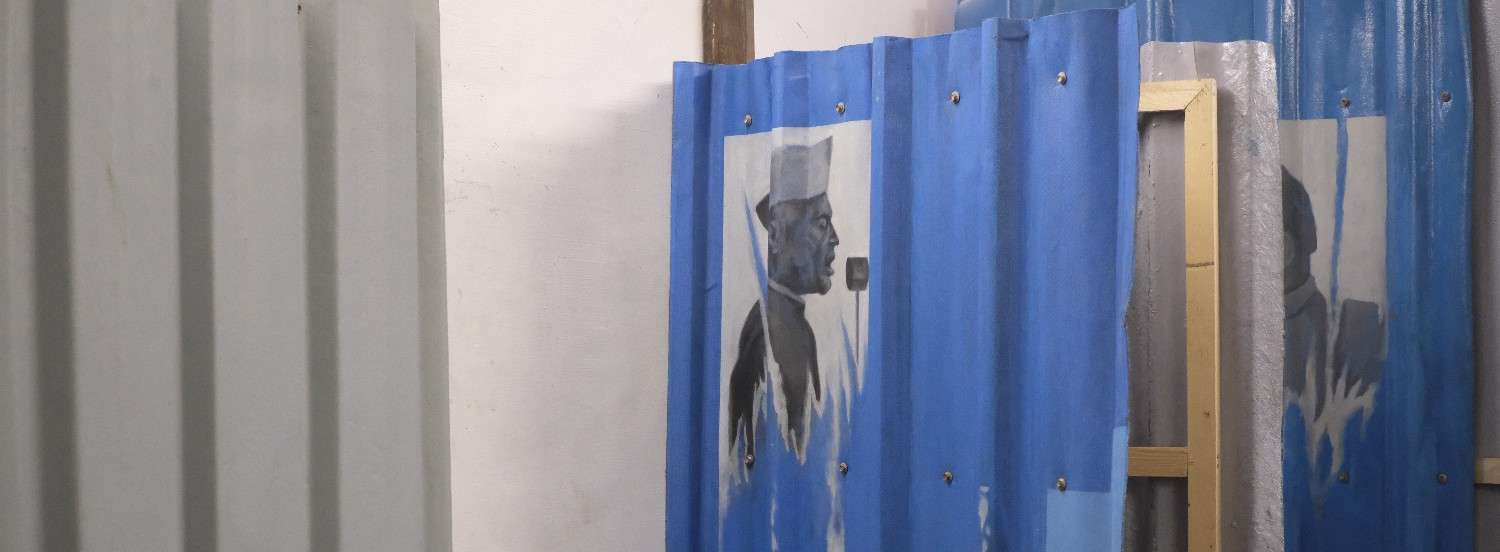
In his recent works, Deepakk has begun incorporating the phrase “Kuch Kuch Hota Hai” as a recurring conceptual marker, suggesting that something is always unfolding beneath the visible surface. In works such as Behind the Scene IV, Protest and Protection II, & Protest and Protection III, he draws from the temporary tin barriers surrounding construction sites, treating them as metaphors for concealment and ecological disruption. These structures hide not only the mechanics of development but also the stories of uprooted land, displaced animal habitats, and the fragile ecosystems erased in the process. Through repetition and layered imagery, Deepakk asks viewers to pay attention to the silent transformations embedded within urban growth.
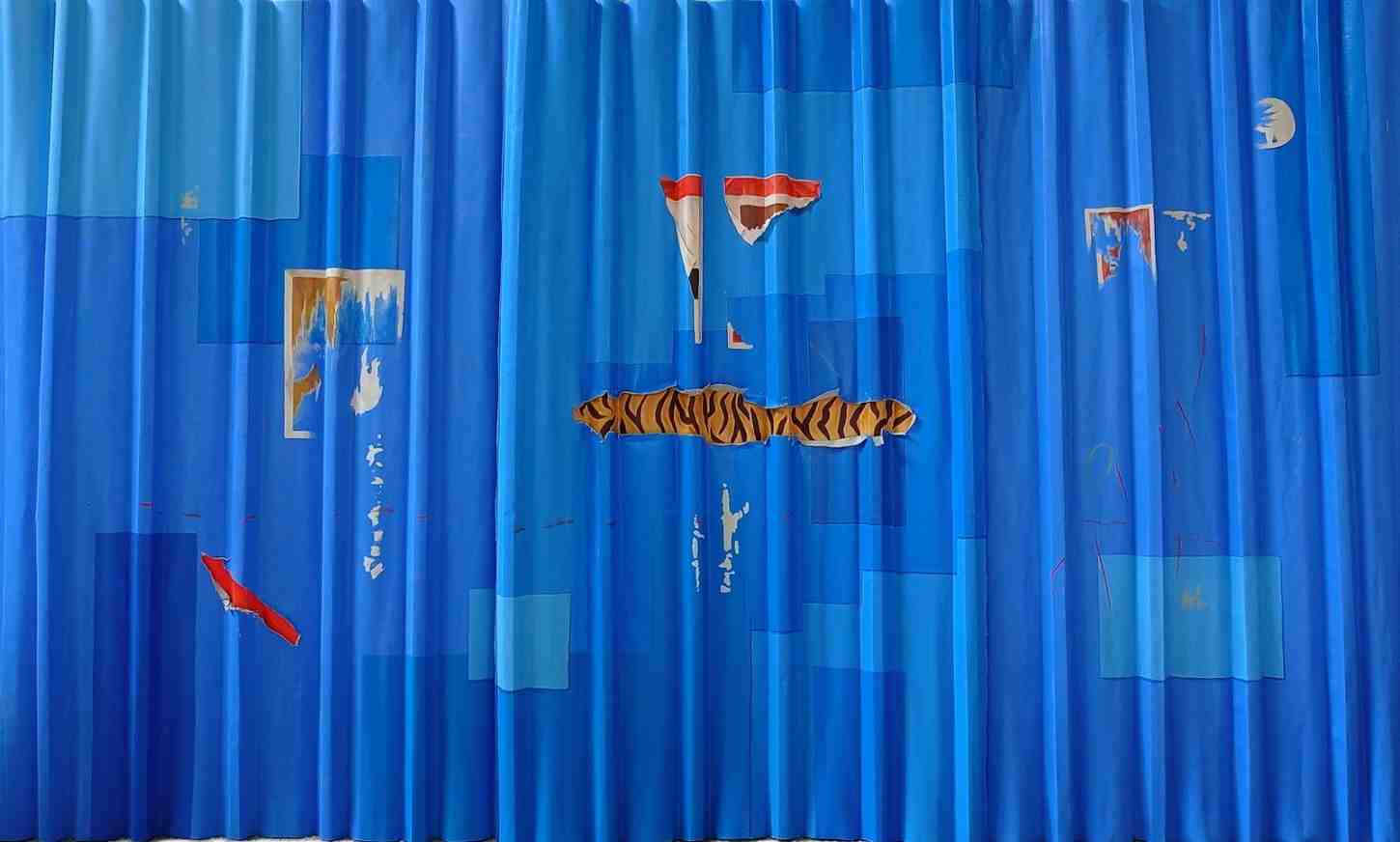
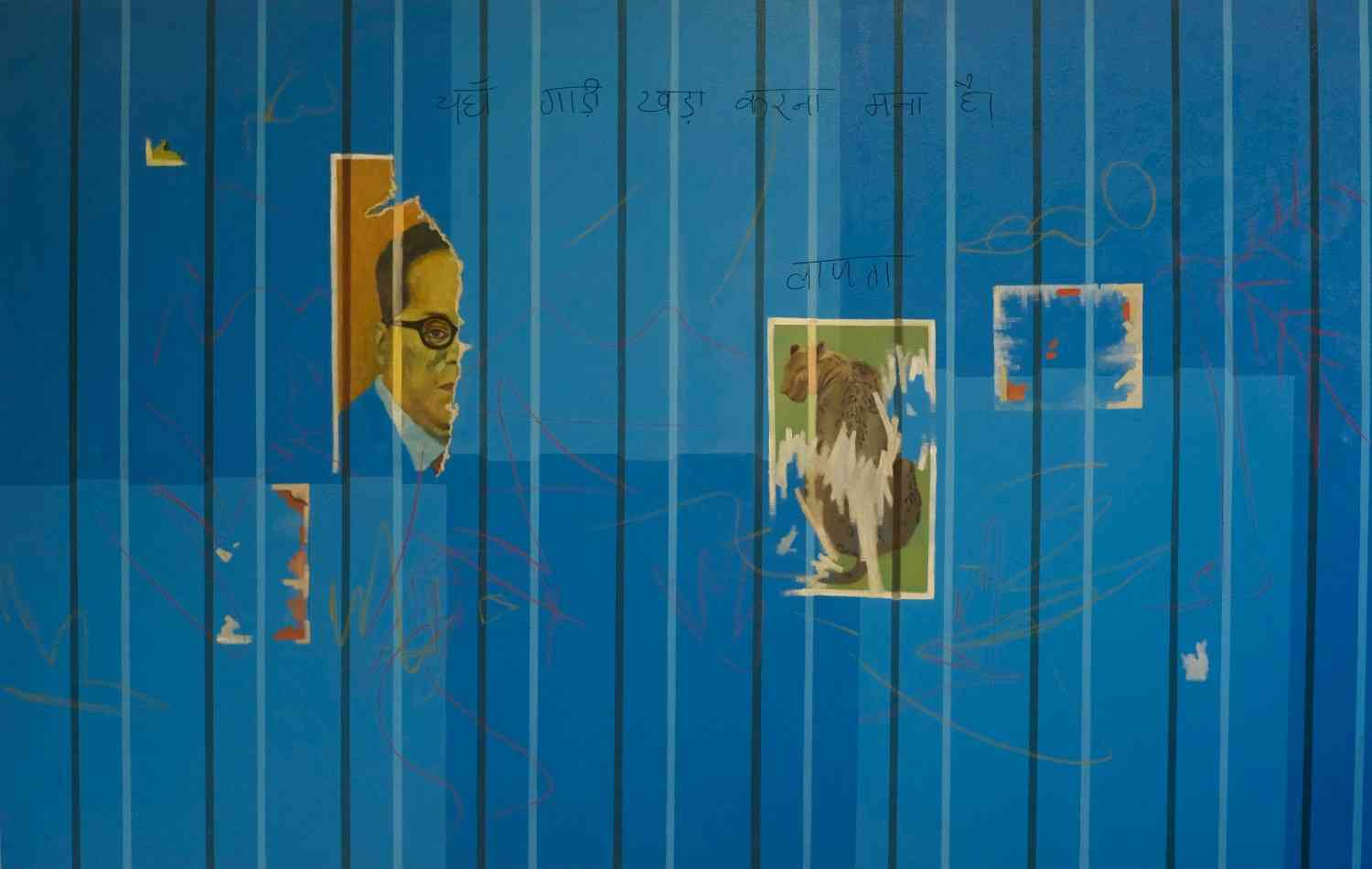
Behind the Scene IV, Acrylic, oil pastel, oil and screw on canvas, 72 x 120 in, 2026 (left)
Behind the Story I, Enamel and oil on canvas, 60 x 96 in, 2025 (right)
Behind the Story I, Enamel and oil on canvas, 60 x 96 in, 2025 (right)
“My work is inspired by my observations of urban construction sites. Whenever a new building project begins, the land is first enclosed with temporary tin screens, hiding the construction activity from public view.” - Deepakk
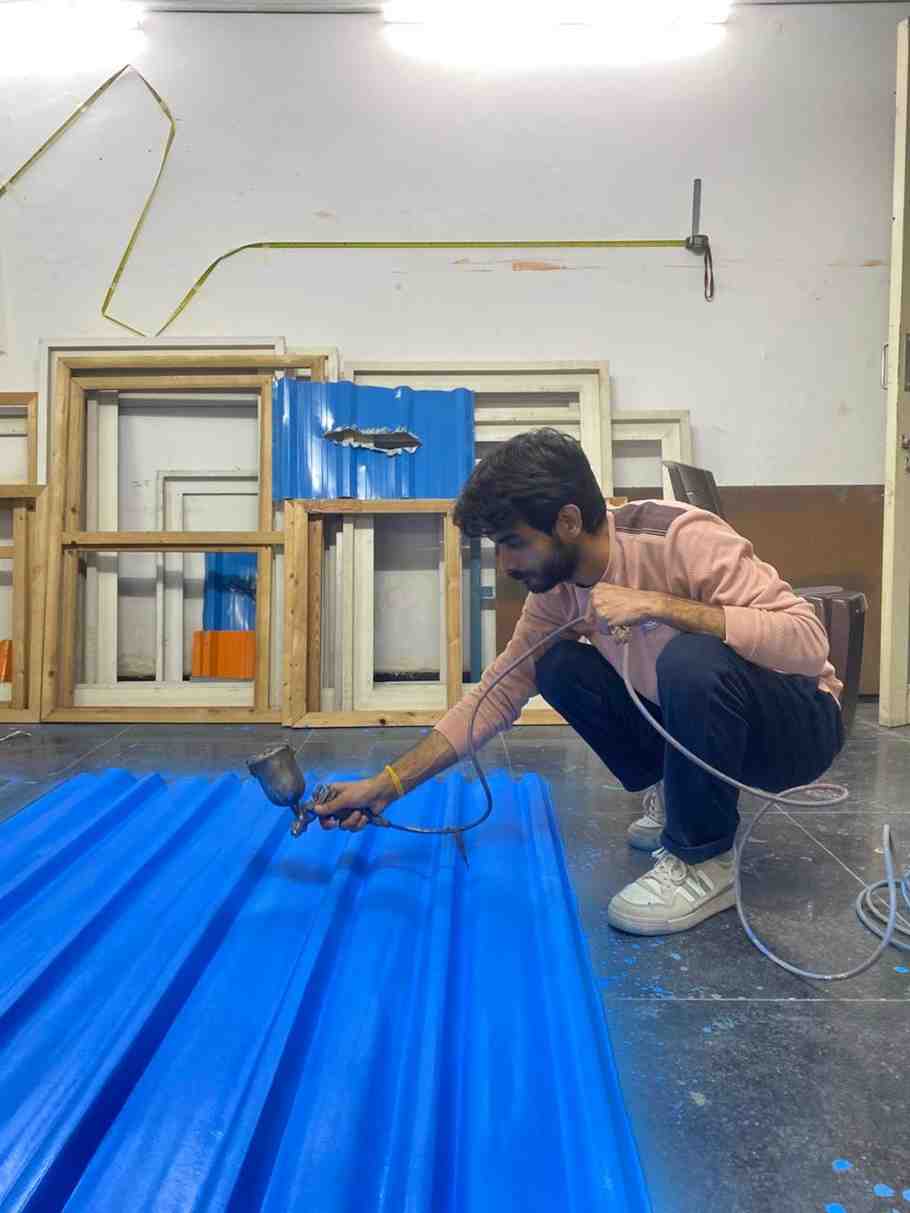
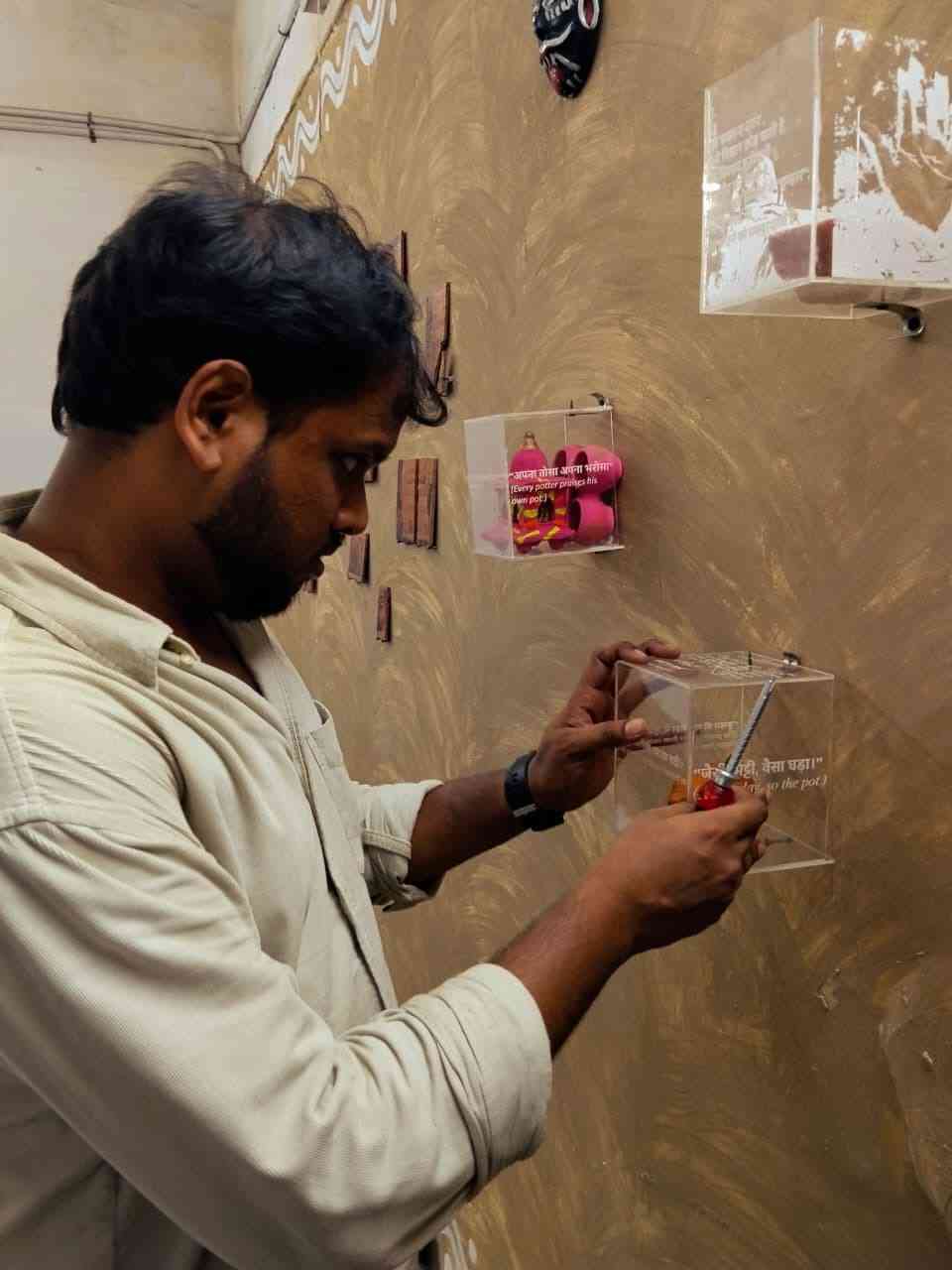
Glimpse of the art making process from Deepakk's Studio
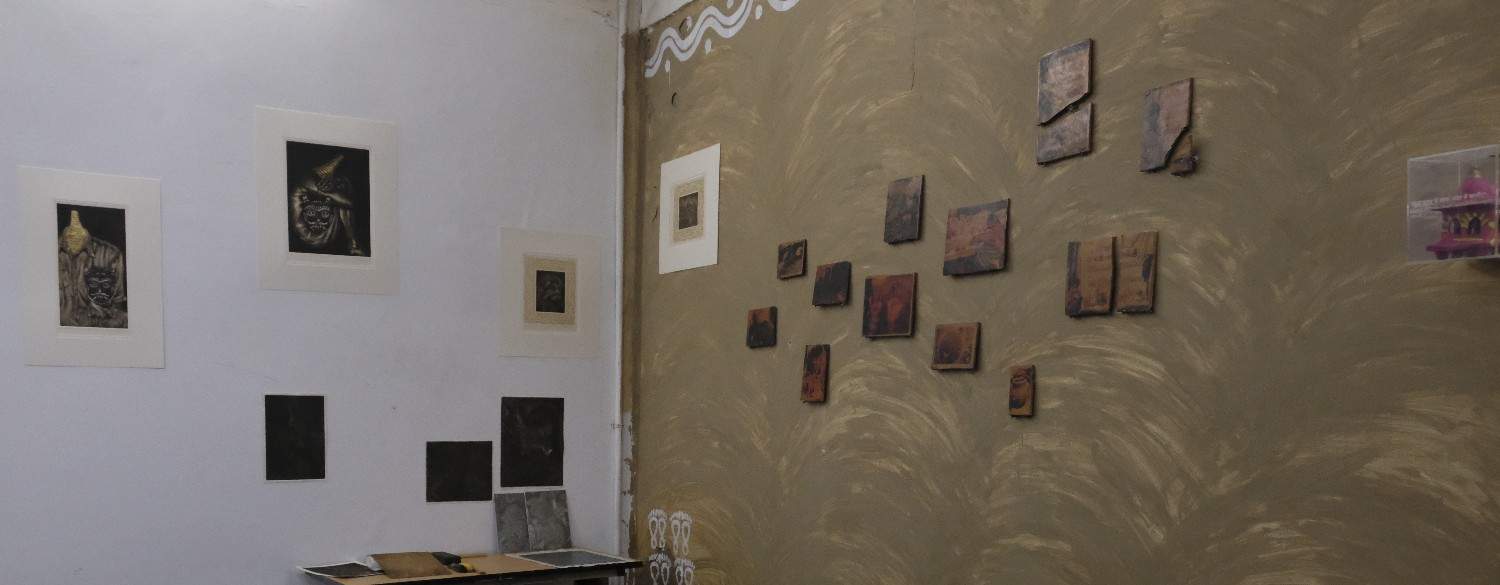
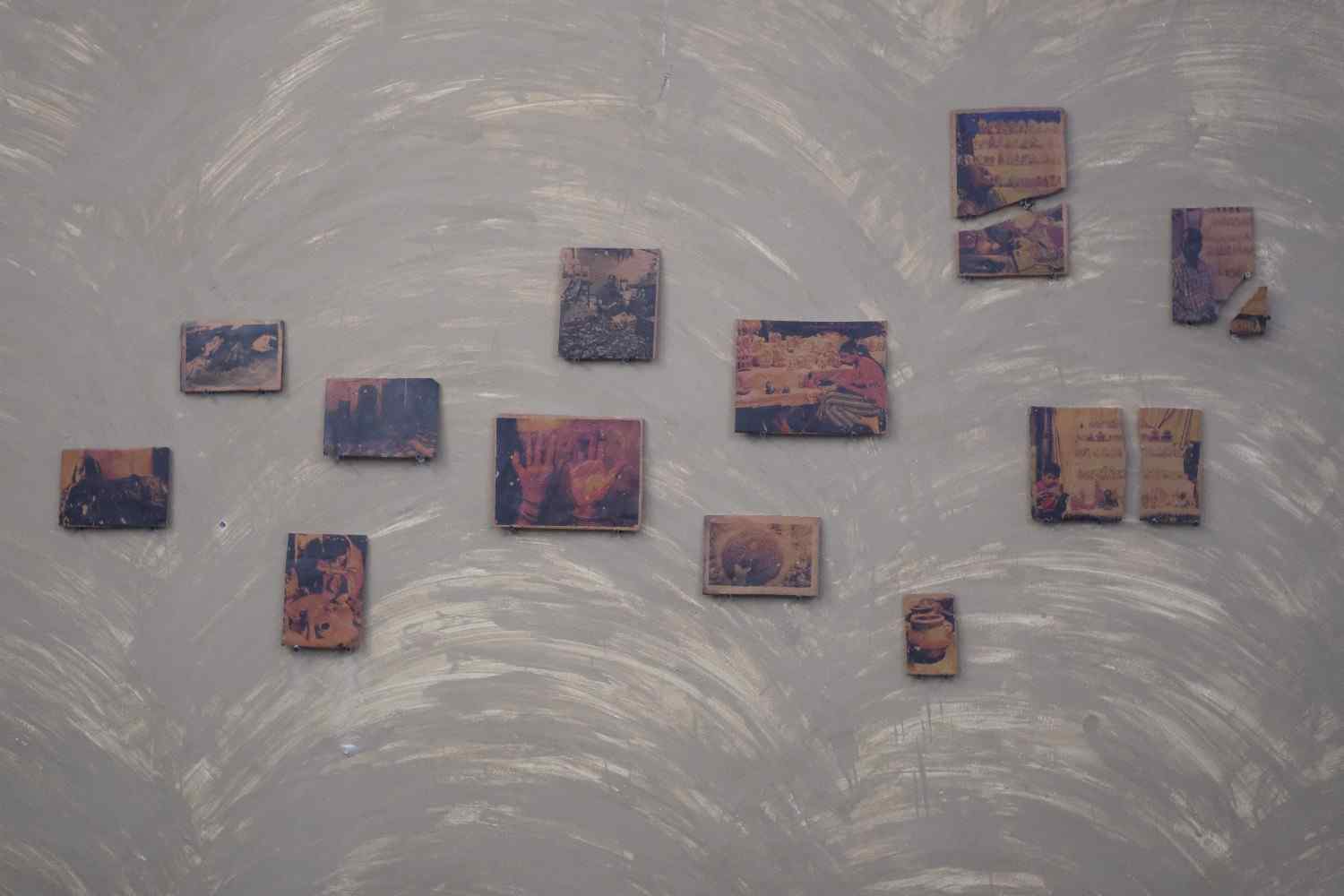
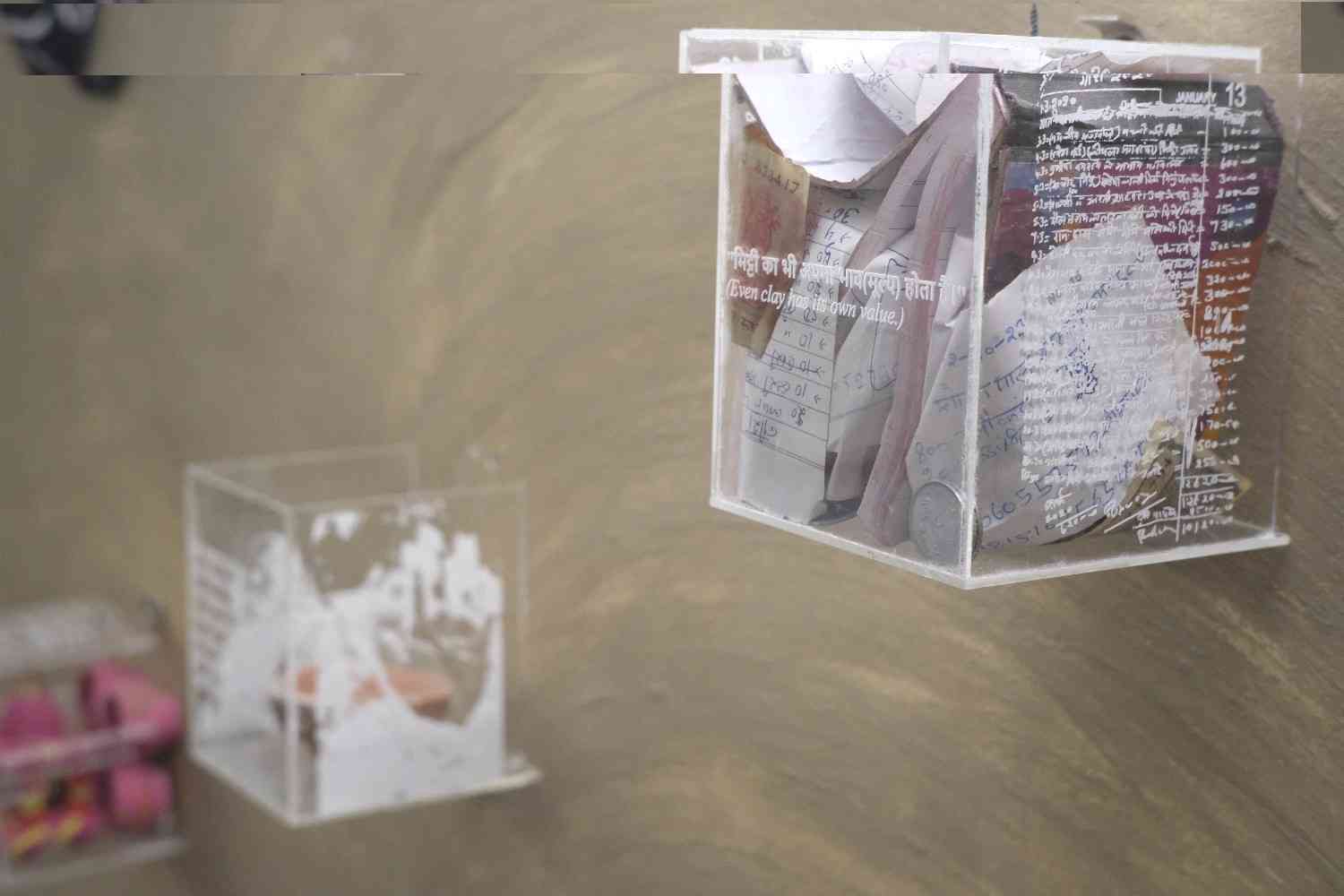
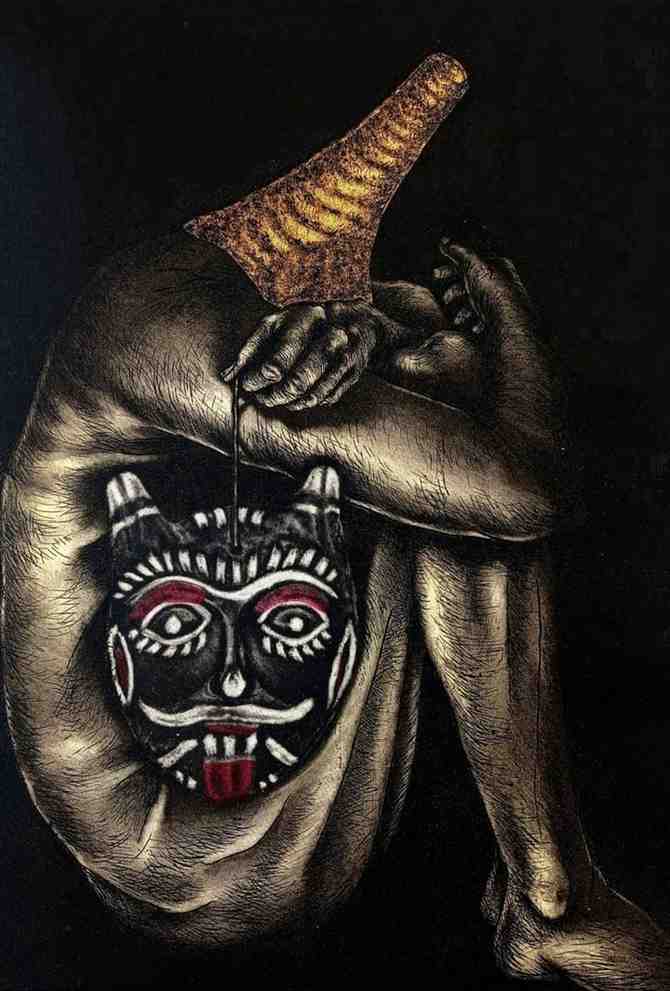
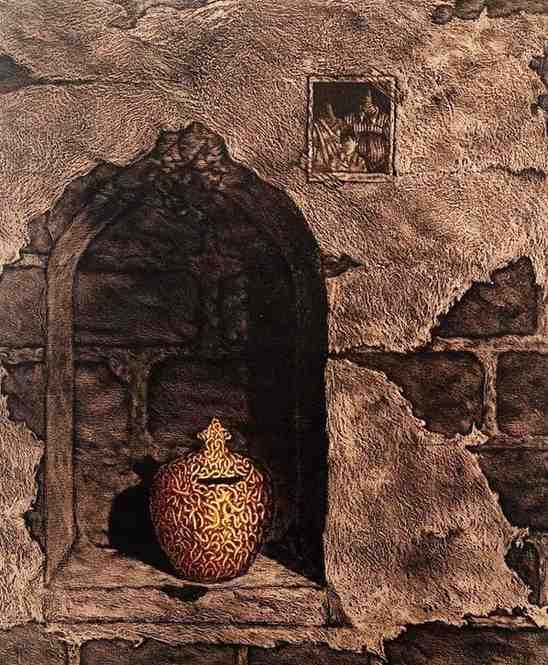
Yogesh Kumar’s works engage with another form of displacement, one rooted in labor, material memory, and cultural inheritance. Coming from a hereditary potter community, Yogesh reclaims the language of clay through printmaking and installation, reflecting on the gradual decline of terracotta traditions under industrial production. In Nazarbattu II and Nazarbattu III, he employs motifs of pottery, domestic objects, and protective symbols as traces of collective memory and survival. In Identity Crisis II, fragments of potter identity are enclosed within acrylic boxes, suggesting how inherited knowledge systems have become trapped and overpowered by industrial modernity. Meanwhile, Golden Era I revisits the familiar gullak (piggy bank), transforming a childhood object into a reflection on value, nostalgia, and the fading presence of handmade clay objects in everyday life.
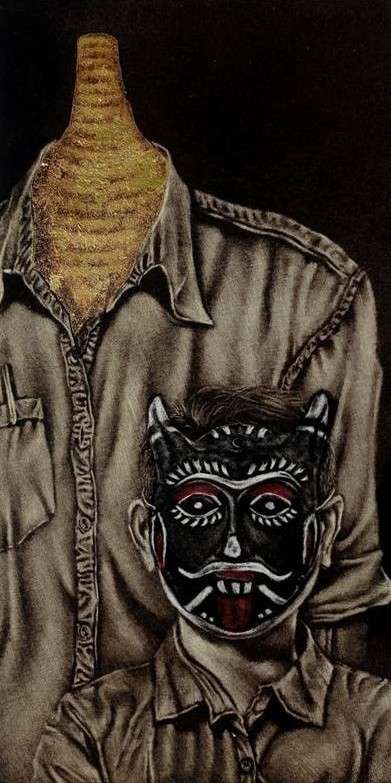
Nazarbattu II, Etching and gold leaf on paper, Edition 3/4, 10 x 13 in, 2025 (left)
Nazarbattu III, Etching and gold leaf on paper, Edition 2/4, 17 x 33 in, 2024 (right)
Nazarbattu III, Etching and gold leaf on paper, Edition 2/4, 17 x 33 in, 2024 (right)
Together, Deepakk and Yogesh reveal parallel narratives of loss and adaptation. While one traces the displacement of land and ecology, the other maps the erosion of craft and community. Ujaad becomes a space of reflection, asking what remains when progress reshapes both landscapes and lives. Importantly, Ujaad avoids simplistic binaries between nature and development. The exhibition does not advocate a romantic return to an untouched past, nor does it reject the realities of urban growth and industrial progress. Instead, through Deepakk’s reflections on ecological displacement and Yogesh Kumar’s engagement with the erosion of craft traditions, it asks whether alternative models of coexistence are possible. Can development occur without ecological devastation? Can cities grow while preserving environmental integrity? Can industrial progress sustain the communities and inherited knowledge it often displaces? These questions resonate throughout the exhibition, transforming it into a space of critical reflection.
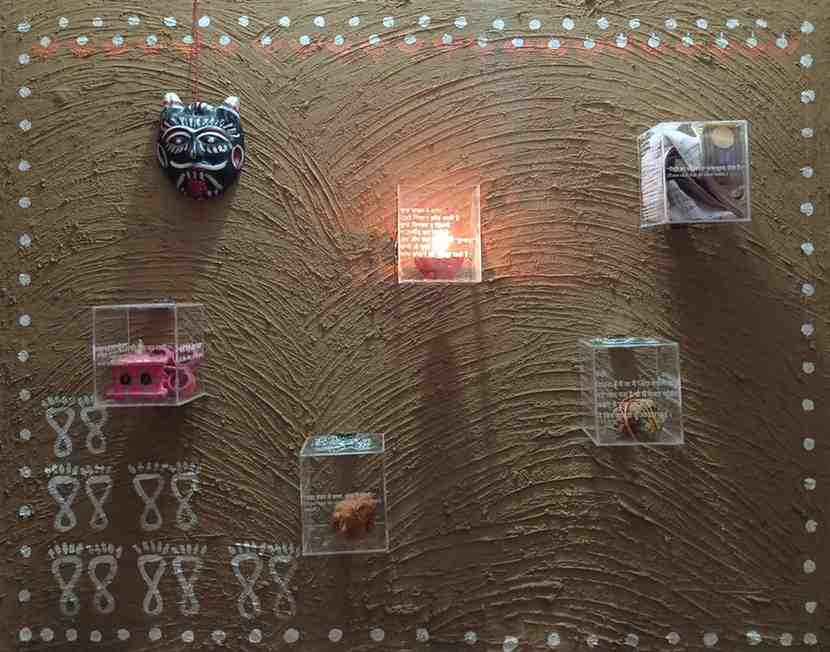
Identity Crisis II, Dry point and mix media, variable dimensions, 2025 (left)
Golden era I, Etching on paper, Edition 2/4, 16 x 20 in, 2025 (right)
Golden era I, Etching on paper, Edition 2/4, 16 x 20 in, 2025 (right)
“The idea of my work correlates with the existing political instability and cultural degeneration of terracotta workers in India where power has placed over top of the hierarchy.” - Yogesh
×
![Artwork enlarged view]()
Narrative III, photos from terracotta settlement transfered on fired clay slabs, Variable, 2025
Deepakk (B. 1993) is a multidisciplinary artist working across painting, sculpture, video, and digital media. He holds an M.F.A. from Sir J.J. School of Art, Mumbai (2022), a B.F.A. from Indira Kala Sangeet Vishwavidyalaya, Khairagarh (2020), and a B.Com from Delhi University (2015). Deepakk is currently a scholar at the Lalit Kala Akademi Artist Studios, Garhi, Delhi. Deepakk’s practice is defined by experimentation with materials and mediums, including bricks, clay, ash, oil, acrylic, and mixed media.
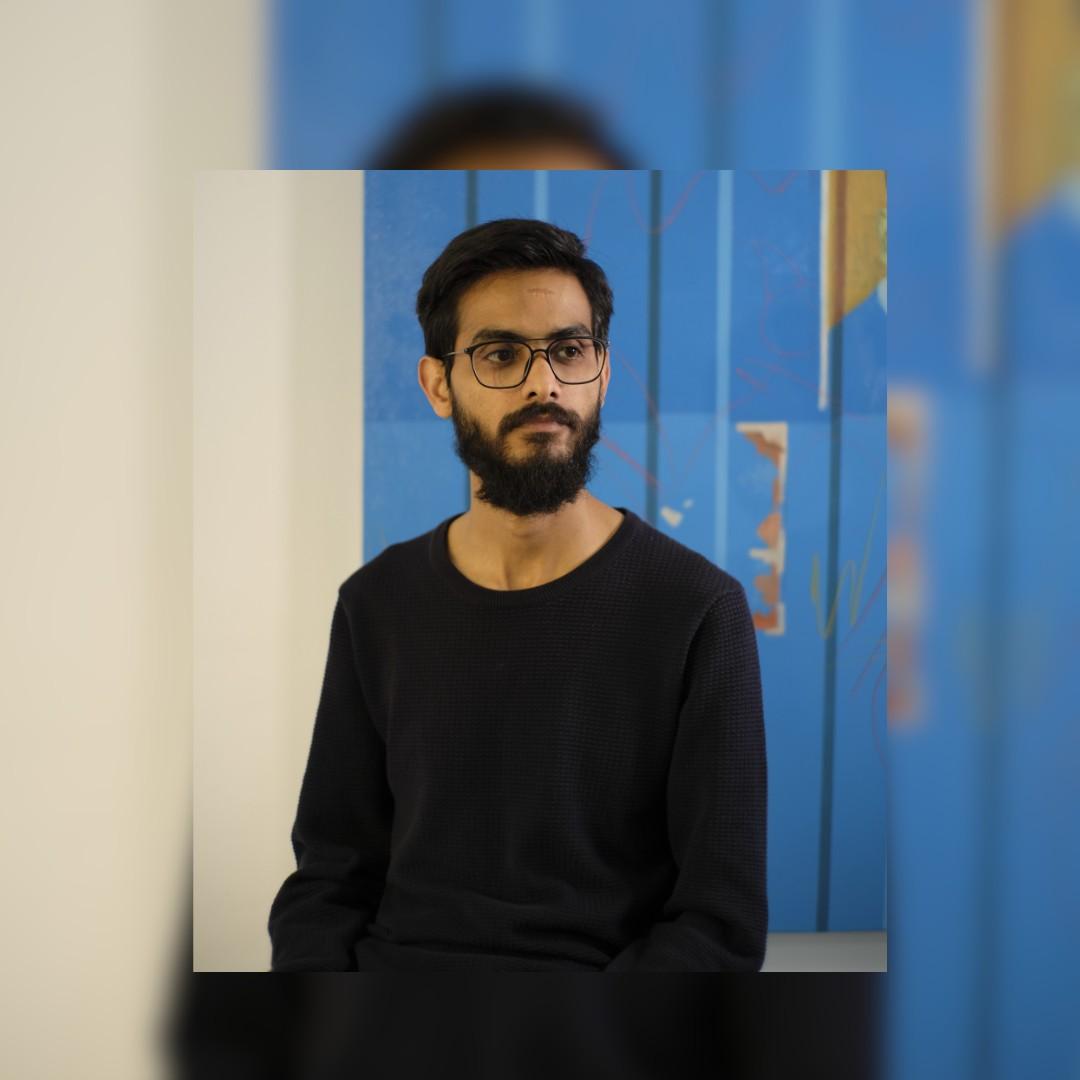
Yogesh Kumar (B. 1999) based in Delhi and raised in a Kumhar (potter) settlement, is a multidisciplinary artist and printmaker whose practice emerges from the intersection of heritage, identity, and social reflection. He holds a Master of Fine Arts in Graphic Art (Printmaking) from Kala Bhavana, Visva-Bharati University, and a Bachelor of Fine Arts from the College of Art, University of Delhi, both with distinction. Yogesh is currently a scholar at the Lalit Kala Akademi Artist Studios, Garhi, Delhi.
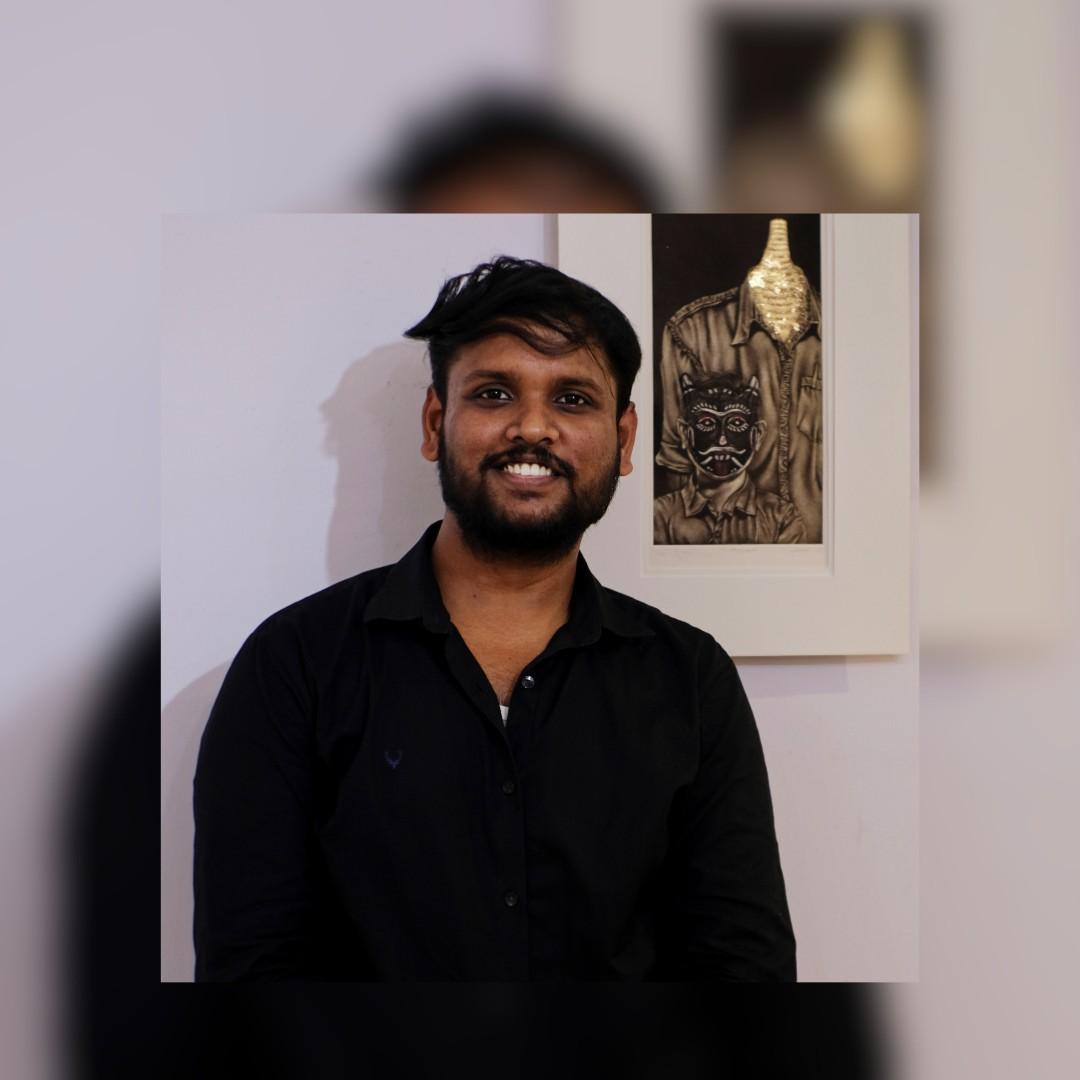
Gaurav Kumar is a New Delhi–based art historian, curator, writer, and professionally trained commercial artist. His practice engages a synthesis of academic research, curatorial inquiry, and critical writing, with a focus on art history, aesthetics, South and Southeast Asian visual cultures, East Asian traditions (China and Japan), and modern and contemporary art in India and the West. He is currently pursuing a PhD in Art History from Indian Institute of Heritage (formerly known as National Museum Institute of Art History, Museology and Conservation). Gaurav has also been awarded the National Scholarship in Art History (2022–23) by Lalit Kala Akademi, further strengthening his research trajectory.
Image Courtesy: Artist
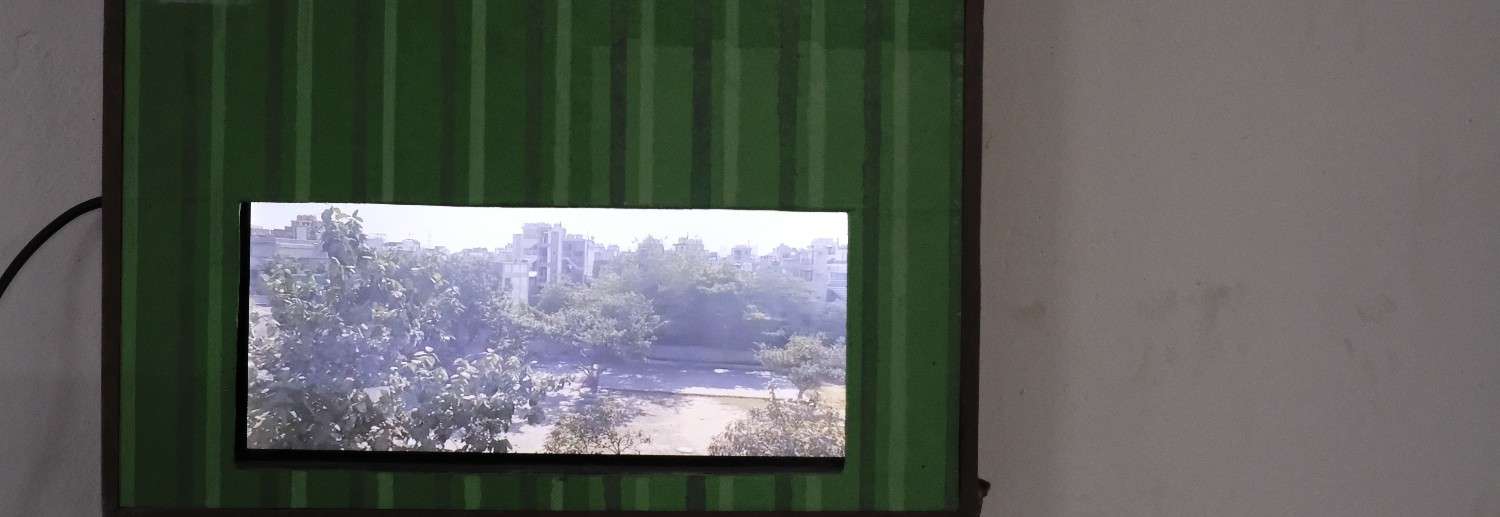
Video Courtesy: Google Earth Timelapse: Urban Expansion Around The World (YouTube); Artist.
Text Courtesy: Gaurav Kumar
Exhibtion Partner: Lalit Kala Akademi, Garhi Regional Centre, Art Studio No.5, New Delhi.
Video Courtesy: Google Earth Timelapse: Urban Expansion Around The World (YouTube); Artist.
Text Courtesy: Gaurav Kumar
Exhibtion Partner: Lalit Kala Akademi, Garhi Regional Centre, Art Studio No.5, New Delhi.